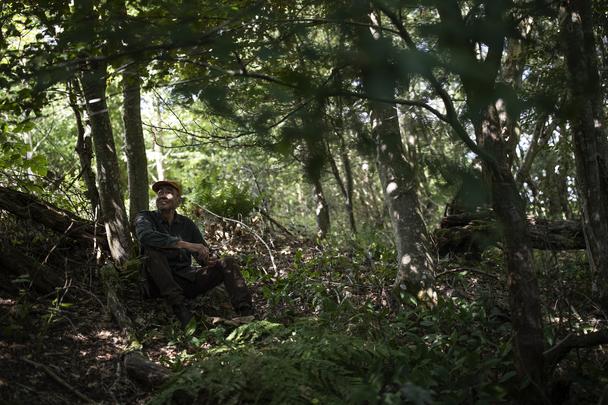
Jørn Aagaard in young forest planted in Hedeskov in 2012
Hedeskov was established in response to a growing disconnect between human activity and natural processes and the consequences this has for ecological conditions and human health.
The initiative is closely connected to the professional background of one of its founders. Through decades of clinical work as a fertility specialist, Jørn Aagaard witnessed a decline in reproductive health and became increasingly aware of how the widespread use of pesticides in conventional agriculture, influence human fertility.
With over 40 years of experience in medicine, agriculture and land restoration, Hedeskov works across agriculture, forestry, buildings and food systems. The work is based on a simple premise: human health is shaped by how land is managed, buildings are constructed and food is produced.
Rather than returning to the past, Hedeskov focuses on developing approaches that operate within contemporary technologies and professional practice. The knowledge generated at Hedeskov is intended to inform professional practice beyond the site itself.
Founded in 2021 by Jørn Aagaard and his partner Jette Søndergaard, Hedeskov operates as a long term initiative that develops and documents approaches supporting both ecological systems and human health.
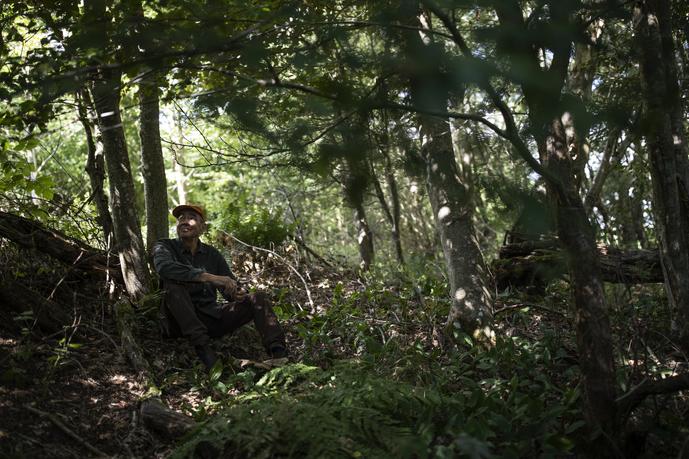
Jørn Aagaard in young forest planted in Hedeskov in 2012
Hedeskov was established in response to a growing disconnect between human activity and natural processes and the consequences this has for ecological conditions and human health.
The initiative is closely connected to the professional background of one of its founders. Through decades of clinical work as a fertility specialist, Jørn Aagaard witnessed a decline in reproductive health and became increasingly aware of how the widespread use of pesticides in conventional agriculture, influence human fertility.
With over 40 years of experience in medicine, agriculture and land restoration, Hedeskov works across agriculture, forestry, buildings and food systems. The work is based on a simple premise: human health is shaped by how land is managed, buildings are constructed and food is produced.
Rather than returning to the past, Hedeskov focuses on developing approaches that operate within contemporary technologies and professional practice. The knowledge generated at Hedeskov is intended to inform professional practice beyond the site itself.
Founded in 2021 by Jørn Aagaard and his partner Jette Søndergaard, Hedeskov operates as a long term initiative that develops and documents approaches supporting both ecological systems and human health.
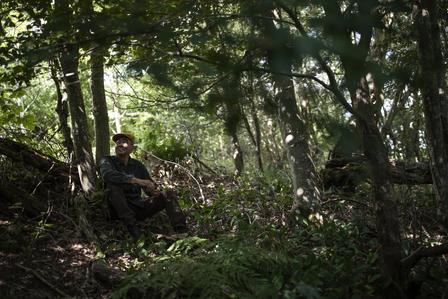
Jørn Aagaard in young forest planted in Hedeskov in 2012
Hedeskov was established in response to a growing disconnect between human activity and natural processes and the consequences this has for ecological conditions and human health.
The initiative is closely connected to the professional background of one of its founders. Through decades of clinical work as a fertility specialist, Jørn Aagaard witnessed a decline in reproductive health and became increasingly aware of how the widespread use of pesticides in conventional agriculture, influence human fertility.
With over 40 years of experience in medicine, agriculture and land restoration, Hedeskov works across agriculture, forestry, buildings and food systems. The work is based on a simple premise: human health is shaped by how land is managed, buildings are constructed and food is produced.
Rather than returning to the past, Hedeskov focuses on developing approaches that operate within contemporary technologies and professional practice. The knowledge generated at Hedeskov is intended to inform professional practice beyond the site itself.
Founded in 2021 by Jørn Aagaard and his partner Jette Søndergaard, Hedeskov operates as a long term initiative that develops and documents approaches supporting both ecological systems and human health.
Regenerative practice at Hedeskov
Land stewardship

Hedeskov stewards 200 hectares of land, divided between agriculture (52%) and forestry (48%). The land is managed without chemical inputs or heavy mechanical disturbance.
The work focuses on improving soil health and rebuilding organic matter. Healthy soil holds more water, supports plant growth, and can store carbon. Parts of the land are left undisturbed to support biodiversity.
Livestock

Animals play an important role in the agricultural system in Hedeskov, contributing nutrients, supporting composting, and building soil fertility.
Through managed grazing across meadows and forest areas, livestock helps strengthen soil structure, support biodiversity, and sustain a balanced ecosystem.
Building practice

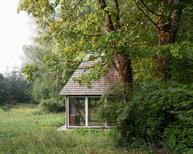
Building at Hedeskov follows four guiding principles: reuse and repair, bio-based and locally sourced materials, landscape restoration and connection to place, people and context.
Buildings are treated as part of the wider landscape and function as components within the larger ecological system.
Food systems

The approach to food is centred on human health. How food is grown and handled affects its nutritional value and its impact on the body.
Production focuses on quality, diversity, and nutrient density. Food is seen as part of a wider system connecting soil, plants, animals, and people.
Regenerative practice at Hedeskov
Land stewardship

Hedeskov stewards 200 hectares of land, divided between agriculture (52%) and forestry (48%). The land is managed without chemical inputs or heavy mechanical disturbance.
The work focuses on improving soil health and rebuilding organic matter. Healthy soil holds more water, supports plant growth, and can store carbon. Parts of the land are left undisturbed to support biodiversity.
Livestock


Animals play an important role in the agricultural system in Hedeskov, contributing nutrients, supporting composting, and building soil fertility.
Through managed grazing across meadows and forest areas, livestock helps strengthen soil structure, support biodiversity, and sustain a balanced ecosystem.
Building practice
Building at Hedeskov follows four guiding principles: reuse and repair, bio-based and locally sourced materials, landscape restoration and connection to place, people and context.
Buildings are treated as part of the wider landscape and function as components within the larger ecological system.
Food systems

The approach to food is centred on human health. How food is grown and handled affects its nutritional value and its impact on the body.
Production focuses on quality, diversity, and nutrient density. Food is seen as part of a wider system connecting soil, plants, animals, and people.
Hedeskov Living Lab - Process & Architecture Report